Picture this: you book Botox for your forehead lines and plan microneedling to smooth texture and pores the same month. The provider’s calendar is open, your skincare enthusiasm is high, and then the big question lands: which comes first? The order is not just a scheduling detail. It changes your healing path, influences results, and can even affect how many units of Botox you need.
I have treated patients who stacked treatments too close and wondered why their Botox softened unevenly, or why their microneedling glow faded faster than expected. Done in the right sequence with the right spacing, these two treatments complement each other. Done in the wrong order, they compete, and you pay for outcomes you never fully see.
The short answer: microneedling first, Botox after
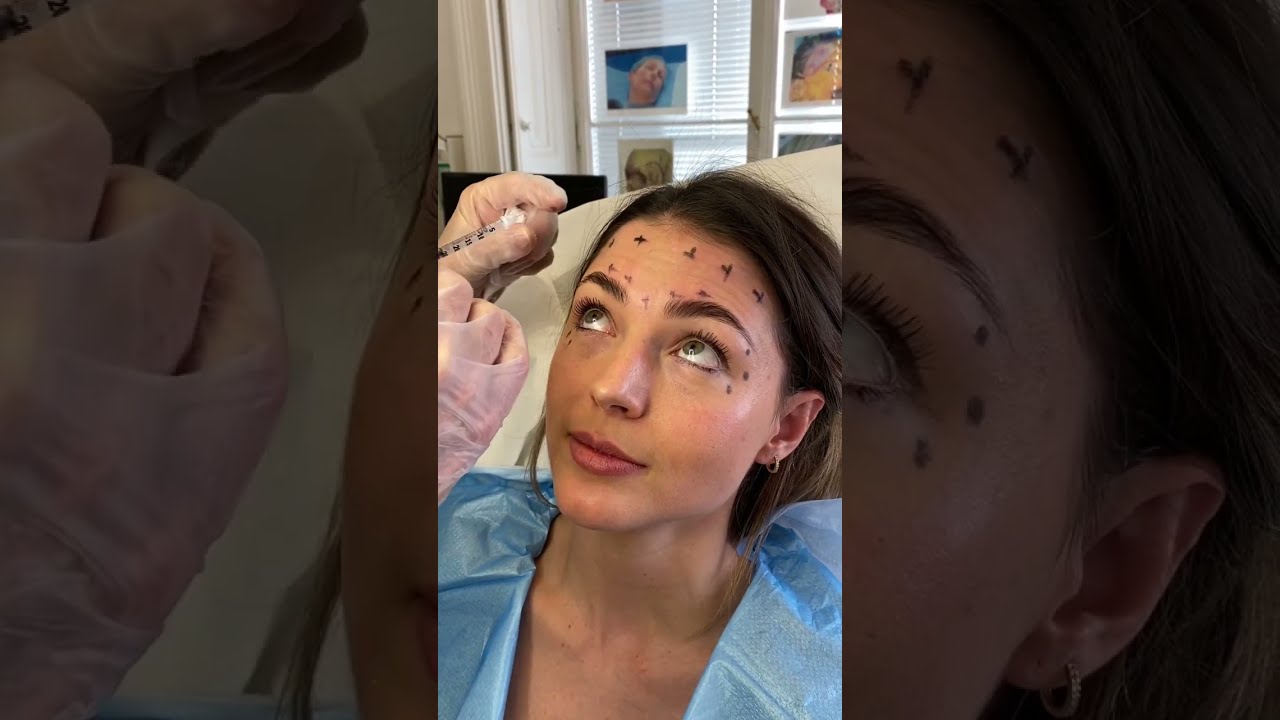
For most patients, I recommend microneedling first, then Botox after the skin closes and settles. Microneedling intentionally creates controlled micro-injuries across the skin surface, which stimulates wound healing and collagen. Botox, by contrast, needs to stay in the muscle layer where it’s injected to reduce movement. Doing microneedling on top of fresh Botox increases theoretical risk of diffusion away from its intended target if the microneedling is too close in time or too aggressive on top of injection sites. Reverse the order, and you reduce that risk while preserving both treatments’ benefits.
The typical sequence looks like this: perform microneedling, wait 7 to 14 days for the epidermis to recover and baseline redness to resolve, then do Botox. If you must flip the order for scheduling reasons, allow Botox to settle for at least 3 to 7 days before any gentle skincare, and 10 to 14 days before procedures that manipulate the skin, including microneedling. The more intense the needling (deeper depths, added radiofrequency, or combined PRP), the longer the spacing I recommend.
Why order matters biologically
Botox works by blocking acetylcholine at the neuromuscular junction. It needs a quiet landing. Any procedure that increases local blood flow, creates channels, or stirs tissue can increase spread, reduce precision, or alter how the dose behaves. Microneedling increases microcirculation and creates thousands of channels that close over hours. That environment is perfect for topical serums, but not for a product that must remain where it is injected.
On the flip side, microneedling immediately after Botox does not improve the Botox effect. It can disrupt it. If you want to combine skin quality changes from microneedling with movement reduction from Botox, protect the accuracy of your toxin injections first by either doing microneedling before Botox or waiting at least two weeks after Botox to needle the same regions.
Timing and spacing: safe windows that work in clinic
I organize combined treatment plans around tissue behavior and patient calendars.
A common plan for full-face texture and expression lines: microneedling session one, then Botox at day 10 to 14. You will likely have minor flaking for a few days after needling, then your skin looks calmer. Inject then, and you avoid moving the product around. If you’re on a microneedling series, repeat needling every 4 to 6 weeks, and schedule Botox every 3 to 4 months in between botox needling visits. If your needling falls near your Botox month, set needling two to three weeks before your Botox touch up, not after.
Patients sometimes ask whether a single-day combo is possible. In general, I avoid same-day microneedling over Botox injection zones. If I must combine for travel or scheduling, I’ll treat different anatomical areas: for example, Botox for the glabella and crow’s feet in the morning, light microneedling for lower face only in the afternoon, and I still prefer a buffer of at least several hours with strict aftercare to minimize rubbing or pressure.
Radiofrequency microneedling adds heat and tissue contraction, which I treat more cautiously. I keep 14 days before and after Botox injections as a rule of thumb. The goal is clean separation so each modality delivers its intended result.
Who benefits most from pairing these treatments
Botox reduces dynamic lines from movement, while microneedling builds collagen and improves texture. If your forehead lines soften when you lift your brows but etch right back when you relax, you’re a good candidate for Botox. If you see roughness, enlarged pores, or acne scars in bright light, microneedling addresses those issues. Many faces need both: soften motion to let skin rest, then stimulate collagen so the resting skin remodels. This is where the combination excels.
I often see success in patients with expressive faces and early photoaging. That group includes teachers, fitness instructors, attorneys, and anyone whose day involves animated speech. Botox calms the repetitive creasing, which prevents deepening lines, and microneedling improves the backdrop, from texture to pigment mottling if combined with topicals under guidance.
Dosage questions that come up when you pair treatments
People worry that microneedling will force them to use more Botox. Not necessarily. If your microneedling series ramps collagen and reduces etched-in texture, you may be satisfied with lighter Botox dosing because the skin canvas looks better. The dosing still depends on muscle strength and anatomy, but improved skin quality can reduce your need for a “full” dose.
Here is how I explain dosing in consults. The average Botox units for forehead typically range from 8 to 20 units, depending on brow heaviness, forehead height, and how much movement you want to preserve. The average Botox units for crow’s feet ranges from 8 to 24 units total, often split across three injection points per side. The glabella (the “11s”) often takes 12 to 25 units. These are ranges, not promises. Custom Botox dosing matters, because your frontalis may be thin and high-set, or thick and low-set, and you may prefer natural looking Botox results rather than maximum stillness.
Patients ask, how many units of Botox do I need? I measure brow lift desire, the forehead’s balance with the glabella, and your facial symmetry at rest and during expression. Light Botox vs full Botox is less about a label and more about solving objectives. Light dosing may be 50 to 70 percent of a typical full dose, trading shorter duration and more movement for high naturalism. Full dosing usually lasts longer, but it risks a flatter look in expressive users. Either route, I avoid chasing etched-in static lines on the forehead with more toxin. That is where microneedling earns its place.
Costs vary by region and injector expertise. Botox cost per unit often sits between 10 and 25 USD. Some clinics price per area, others per unit. If budget drives timing, stack your microneedling sessions during months you are not topping up Botox. That lets you spread costs without compromising sequencing.
Preventing the frozen look while using both treatments
If your goal is movement without wrinkles, sequencing and dosing work together. To avoid frozen Botox, I tune dose by muscle zone and consider your job and habits. For example, active brow lifters get a conservative forehead dose and a precise glabella plan to avoid brow drop. I also advise waiting the full two weeks post-Botox before judging the final look, then we can do a micro touch up if a line persists. Microneedling supports the approach by smoothing the skin’s surface without limiting expression. When the skin reflects light better, you often perceive fewer lines even with moderate movement.
Signs of overdone Botox include a heavy brow, blunted smile near the eyes, or speech changes if perioral units were misapplied. Can you get too much Botox? Yes, in effect if the total dose overwhelms your functional needs or the pattern blocks muscles required for expression. Good mapping and conservative trials for first time Botox patients reduce that risk.
Common myths when combining Botox and microneedling
A frequent claim is that microneedling “pushes” Botox deeper or moves it around if done within days. The mechanism does not support that if you needle after an adequate waiting period, since Botox binds at the neuromuscular junction within hours and functionally settles in a few days. The real risk arises when needling is immediate or when post-injection massage, pressure, or heat increases perfusion. Another myth: microneedling replaces Botox for dynamic lines. It does not. It can soften etched lines over time, but it cannot stop muscle-driven folding. That is Botox’s job.
Patients also ask about Botox and collagen production. Botox itself does not create collagen in the way needling does, but by reducing motion, it can decrease repetitive microtrauma that deepens creases. That gives your microneedling results a steady stage.
Aftercare choreography when you stack treatments
The 24 hours after microneedling are for barrier protection and hygiene. Avoid makeup, intense heat, and unclean tools. Gentle cleansing and a provider-approved serum help. The first 4 to 6 hours after Botox are for stillness and upright posture. Can you exercise after Botox? Hold off for 24 hours to reduce bruising risk and product spread. Can you sleep after Botox? Yes, but try to avoid face-down positions the first night. How soon can you wash face after Botox? In a few hours with light pressure. Skip vigorous scrubbing that day.
Bruising and swelling patterns vary. The Botox bruising timeline, if it happens, usually resolves in 3 to 7 days. Botox swelling, how long does it last? Typically hours to a day at injection bumps. Microneedling redness may last 24 to 48 hours, sometimes longer for sensitive skin. Plan events accordingly.
Can Botox migrate if I needle too soon?
Migration is a loaded term. True migration across far distances is rare. What patients usually notice is diffusion within local tissue when the product is manipulated early. Massaging, lying face down in a massage cradle, or doing hot yoga right after injections can broaden the effect and soften areas you meant to spare. Microneedling can also alter local perfusion and create channels, so do not needle over the same regions until the Botox has fixed and the tissue is calm. Give it 10 to 14 days if you want a wide safety margin.
Special zones worth extra respect
Forehead and glabella: They are partners. Over-relaxing the frontalis without balancing the glabella invites brow heaviness. If you are planning microneedling for forehead texture, do it first, then address dosing. For those asking can Botox lift eyebrows, a subtle brow lift is possible with selective placement. Microneedling does not lift brows, so do not expect it to compensate for a poorly balanced forehead plan.
Crow’s feet and under-eye: The skin is thin and shows swelling. Light microneedling here plus cautious Botox dosing yields a smoother smile without bunching. If you needle this zone, allow a full two weeks before injecting to avoid confounding swelling with true muscle behavior.
Lower face: Botox for downturned mouth, marionette lines, and lip asymmetry requires precision. Microneedling can address texture but cannot replace vector control. Because lower face Botox can affect smile or speech if overdone or misplaced, I avoid same-day procedures here. Patients ask can Botox affect smile or speech or chewing. It can if injected into muscles that animate lips or assist mastication. Skilled mapping mitigates that.
Neck: Platysmal bands and neck tightening with Botox are technique-dependent. If you plan microneedling on the neck, spacing becomes critical because the skin is reactive. I separate these by two weeks.
Masseter and jawline contouring: Botox for facial slimming reduces masseter bulk over weeks. Do not combine the same-day with RF microneedling on the lower face and jawline. The heat and tissue manipulation can muddle early comfort and swelling assessment. Two-week spacing is practical.
Maintenance schedules that avoid collisions
A workable rhythm: quarterly Botox with microneedling every 6 weeks for the first three sessions, then every 8 to 12 weeks for maintenance. That schedule gives enough room to keep the order consistent, with needling usually landing before Botox. Patients who prefer minimal downtime can switch to alternating months. For example, February microneedling, March Botox, May microneedling, June Botox. Simple calendars prevent accidental overlap.
Touch ups for Botox belong around the 2-week mark, not days after injection. Botox touch up timing too early leads to overshoot. Assess symmetry and function at day 14, then add micro-units if needed. A microneedling appointment should not sit between a fresh injection and a planned touch up. Keep treatment blocks clean to isolate variables.
Practical pre- and post-care that make a difference
Before Botox, skip alcohol the night before and the day of. It lowers platelet stickiness and nudges bruising up. Avoid supplements that can increase bleeding risk unless prescribed and needed. What not to do before Botox also includes aggressive facial treatments, sauna, or any practice session of contortionist sleeping on your face. After Botox, what not to do after Botox centers on pressure, heat, and heavy exercise for a day.
Before microneedling, pause retinoids for a few days if you tend to irritate. Arrive with a clean face. After microneedling, your skincare routine should be bland and barrier-focused for 48 hours. Then you can reintroduce actives gradually. Retinol use can resume once redness calms, usually day 3 to 5.
Caffeine intake and alcohol consumption do not cancel treatments, but for bruising-prone patients, less is more around treatment days. During stressful periods, you may over-recruit facial muscles, which shortens perceived Botox longevity. It may be worth a small dose adjustment or a tighter maintenance schedule until life quiets down.
Side effects, expectations, and when to call
Botox can cause headaches in a minority, usually transient and self-limited within 24 to 72 hours. If you notice eyelid heaviness, ask about whether the injection pattern over-relaxed the levator-adjacent regions or if it is swelling. Can Botox affect blinking? In crow’s feet zones, over-relaxation can dry the eyes a bit, so use lubricating drops if needed and alert your injector.
Long term effects of Botox on muscles come up often. Does Botox thin muscles, or weaken them permanently? With repeated use, targeted muscles can atrophy mildly, which many patients want in the masseter for facial slimming. In expressive areas, a sustained reduction in overactivity can protect skin from forming deeper lines. If you stop treatments, function returns as the neuromuscular junctions regenerate. The skin aging trajectory benefits from years of reduced folding, even after you pause.
For microneedling, expect redness, warmth, and a sandpapery feel for a day or two. If you see patterned welts that do not settle, check the device depth and technique with your provider. Infection is rare with proper hygiene. Pigment changes are uncommon but possible in deeper skin tones if aftercare is not followed or if heat-based devices are used too aggressively. That is where customization for face shape and skin type matters as much as it does for Botox.
How face shape influences dosing and sequencing
Botox customization by face shape is real. A square face with strong masseters might use higher masseter dosing for facial contouring and jaw slimming, while an oval face may need only subtle temple and forehead balancing to keep harmony. A heart shaped face often looks best with careful lateral brow preservation to maintain lift and avoid heaviness. Round faces may prefer gentle cheek shadowing via skincare and needling improvements rather than heavy toxin in the lower face, which can flatten expression.
When texture work is the primary goal, I lean into microneedling first. When movement is the primary complaint, I prioritize Botox and schedule needling on a separate date. The artistic plan depends on whether your eyes or mouth drive your expression and where etched lines live at rest.
Combining with other treatments in real life
Patients who ask about Botox and chemical peels or laser treatments face the same logic: minimize anything that might move freshly injected toxin. I separate medium depth peels and lasers from Botox by at least 10 to 14 days either side unless I am treating different anatomic zones. If we do a light peel, we still avoid vigorous rubbing around injection points for a day or two.
For skin texture and pore size, microneedling helps, and Botox may indirectly improve perceived pore size by reducing oil production near injection sites in some individuals, though this is not its primary indication. Some providers offer microtoxin or “skin Botox” with superficial placement for texture and oil control. That approach differs from intramuscular dosing and must be planned carefully if you also want full muscle-relaxing effects. Again, sequence and spacing protect outcomes.
A brief plan you can take to your consult
- If doing both, schedule microneedling first, then Botox 7 to 14 days later. If Botox is already booked, wait 10 to 14 days before microneedling the same regions. Keep workouts, saunas, and heavy pressure off the face for 24 hours after Botox. Use bland skincare for 48 hours post-needling, then reintroduce actives slowly. Reassess Botox at day 14 for small touch ups, not earlier.
What to ask at your consultation
- How do you customize Botox dosing for my muscle pattern and goals, and what is your plan to avoid frozen Botox? How will you adjust microneedling depth across my forehead, cheeks, and under-eyes, and what’s the downtime I should expect? If I want a subtle brow lift, can Botox lift eyebrows without dropping them, and how will you balance my glabella and forehead? What is your spacing protocol between microneedling, chemical peels, and Botox for my skin type? If I bruise easily, how will we schedule around work or events, and what is the expected bruising timeline for me?
Realistic expectations for longevity and maintenance
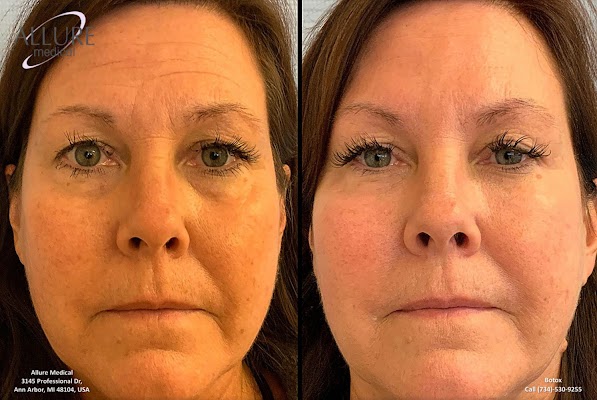
Botox results begin in 3 to 5 days, peak by 10 to 14, and last about 3 to 4 months on average. Highly expressive patients or athletes with faster metabolism sometimes sit closer to 8 to 10 weeks. Microneedling does not have a single “wear off” date. Instead, it builds changes cumulatively. Expect a visible glow and smoother texture within 1 to 2 weeks, collagen remodeling over months, and best outcomes after a series of 3 to 4 sessions spaced 4 to 6 weeks apart, followed by maintenance a few times a year.
A schedule that respects biology, not just the calendar, will get you farther. Keep records, including photos at neutral expression and full expression. Note your dose, number of injection points, and the depth and pattern of your microneedling sessions. The data helps your provider refine custom dosing and treatment order over time.
Final thought from the treatment room
There is no trophy for maximum treatments in minimum days. The win is precise placement, clean separation of modalities, and natural function with better skin quality. When patients commit to microneedling first and Botox second, spaced thoughtfully, they see smoother texture and softer lines without sacrificing expression. That is the sweet spot. When in doubt, ask for a plan that explains not just what to do, but when and why, with enough room on the calendar for your skin to do its part.