“Where exactly do you see it?” I asked a new patient who kept pointing to her forehead. She frowned, and the shadow of two deep lines appeared between her brows, not on her forehead at all. That small moment captures why a personalized botox treatment starts long before the needle. The best outcomes come from translating what someone dislikes into precise anatomy, appropriate dosing, and a plan that fits how their face moves, not just how it looks at rest.
What patients actually mean when they say “wrinkles”
Most first-time patients use broad terms like forehead lines or fine lines. Providers map those concerns to specific muscles and patterns:
- Forehead lines often involve the frontalis, but the depth and distribution vary with brow position, skin thickness, and habits. A heavy-handed approach flattens expression and can drop the brows. A light, staggered pattern preserves lift. Frown lines or glabellar lines form from repeated contraction of the corrugator and procerus. These lines respond well to botox injections, but the dose and pattern depend on brow shape and how strong those muscles are during reading or screen time. Crow’s feet usually come from orbicularis oculi activity. Smilers develop more lateral feathering; squinters show a fan that wraps further backward. A few well-placed units can soften without dulling a smile. Smile lines can mean nasolabial folds, which usually need fillers, not botox. If someone asks for botox for smile lines, we confirm whether they mean crow’s feet or a downturn at the mouth corners. The latter can respond to small doses in the depressor anguli oris to ease a downturned mouth.
This translation step avoids the most common mismatch: a patient wants a fresher look, but they need different tools in different areas. A seasoned injector explains what is botox, how botox works, and where it does not help, before touching a syringe.
The consultation is the customization
A thoughtful botox consultation process is equal parts listening, mapping, and testing. I watch the face still, then animated. I ask about headaches, teeth grinding, neck tension, and any history of eyelid droop or uneven smile. I also ask about schedule. If you have a wedding in 10 days, a staged plan makes more sense than a large dose all at once. Safety, goals, timing — they all influence technique.
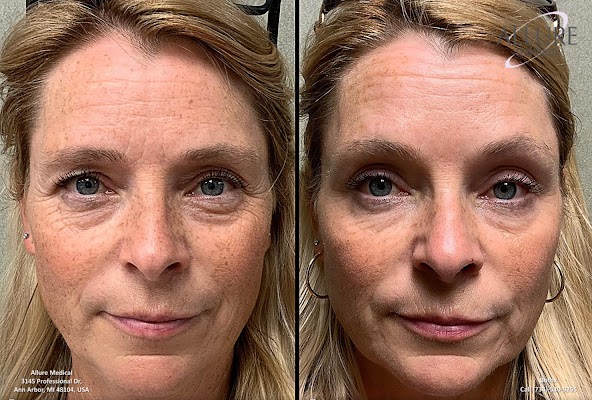
Photography helps track botox before and after, but I also rely on palpation. Muscles feel different in people who train hard or clench at night. A thin forehead can show every unit, while a thick, oily T-zone may need more to achieve the same effect. The botox dosage guide in textbooks offers ranges, not rules, because those tissue differences matter. A personalized botox plan should reflect them.
I also probe aesthetic goals: a crisp brow, a soft arch, or a neutral brow line. A small change in injection depth or lateral placement can deliver a subtle botox brow lift or preserve a straighter brow in men. Some want baby botox or micro botox for a natural look. Others want full relaxation. Setting that target early prevents disappointment later.
Anatomy first, always
Botox works by blocking the release of acetylcholine at the neuromuscular junction, which reduces muscle contraction. That simple mechanism hides a complex dance between muscles that lift and those that pull down. The frontalis lifts the brow, while the corrugator, procerus, and depressor supercilii pull it down. Over-treat one and you empower the other. That interplay is the heart of precision botox injections.
Providers use anatomy based treatment to balance vertical vectors. For example, if someone craves a bit of lateral lift, we can ease the lateral orbicularis that tugs the brow tail down, while preserving the lateral frontalis fibers that raise it. If we blunt the entire frontalis evenly, the brow sinks. Injection mapping becomes a strategy board, not a dot-to-dot exercise.
Facial symmetry is another layer. A dominant corrugator on one side can create a habitual one-sided scowl. An uneven smile may stem from a stronger depressor labii inferioris on one side. Precision means asymmetric dosing and sometimes different injection depths. Custom botox treatment is rarely mirror perfect because faces aren’t.
Matching dose and technique to muscle behavior
Standard doses exist as starting points, but experienced injectors adjust by muscle size, strength, and pattern of motion. A petite woman who furrows intensely may need more units between the brows than a taller man with a relaxed upper face. It surprises people, but muscle strength doesn’t always track with body size or gender.
For forehead lines, I place fewer units near the brow line in someone who needs lift, and I keep injections superficial to target frontalis fibers without soaking into deeper tissues. For frown lines, I palpate the corrugator heads, then angle the needle to avoid diffusing into the levator palpebrae area, which can cause eyelid droop. For crow’s feet, shallow blebs along the wrinkle’s path often suffice. A few millimeters’ difference in placement changes spread and effect.
Micro botox can be helpful for pore appearance and a slick T-zone in select cases. Tiny intradermal dots across the forehead can reduce sheen and fine crinkling. It is not right for everyone, and it won’t move a heavy line, but as part of advanced botox techniques it can polish the surface.
Special areas that demand more judgment
Lip flip: This is not filler. Small units into the orbicularis oris can evert the upper lip a few millimeters, making it look a touch fuller. It works best in younger lips with good structure. Overdo it and the lip feels weak, sips spill, and whistling gets harder. For a gummy smile, a few units high in the lip elevator complex can soften gum show, but placement must avoid flattening the smile.
Chin dimpling: The mentalis can pucker and create an orange peel look. A few units ease that texture and lessen a chin’s forward pull. If a chin is already short, too much can weaken support, so we adjust.
Jaw slimming and teeth grinding: Masseter botox shrinks a bulky angle over time, often by 10 to 20 percent of width at three to six months. For TMJ pain or stress jaw, it reduces clenching force. Start with conservative dosing, then build based on relief and function. Chewing can feel weaker for a few weeks, so we discuss diet and expectations. For those who rely on extreme chewing, we target posterior fibers and leave anterior function as much as possible.
Neck bands: Platysmal bands can pull the lower face down and make the neck look stringy. Treating them requires careful dosing along the band and sometimes small units at the mandibular border to resist downward pull. Too much diffusion can affect swallowing strength, so we prefer measured steps.
Nasal and smile asymmetries: A slight nostril flare responds to a dot at the alar base. An uneven smile from hyperactive depressors can use small, strategic units. These tiny areas are where less is more and where follow-up fine-tuning seals the result.
The spectrum from preventative to corrective
Preventative botox makes sense for those in their late 20s to early 30s who show dynamic lines that linger after expression. The goal is not to freeze but to break the habit of deep creasing. Baby botox fits here, using fewer units at longer intervals. This slow approach can maintain a natural look for years and delay etched lines.
Corrective botox serves deeper wrinkles and stronger muscles. It may need higher dosing and more points, sometimes paired with filler for etched static lines. A provider will explain botox vs fillers in these cases. Botox for wrinkles that form only with movement works well. Filler helps when the crease is present at rest, especially in nasolabial or marionette zones where botox offers limited value.
Timing, results, and the maintenance arc
The botox results timeline follows a predictable arc. Nothing much happens the first 24 hours. By day two to three, you feel a hint of lightness. Days five to seven bring the most noticeable change. Peak effect lands around two weeks, which is why follow-up checks often happen then. How long botox lasts varies by area and metabolism. Most see three to four months in the upper face. Masseter botox and neck treatments may stretch longer once volume reduces.
Botox wearing off signs show as a return of movement in small areas first. A tail feather near the eye reappears, or the inner brow begins to draw down. Many patients plan a botox maintenance schedule at three to four months, or they learn to call when those early hints return. Those who exercise at high intensity or have a fast metabolism sometimes need more frequent touch-ups.
Before and after photos help track progress, but I also rely on function checks. Can you raise your brows without strain? Does your smile feel normal? Fine-tuning avoids a cycle of overcorrection and correction. It also keeps a natural look as the seasons and stress load change.
Safety, consent, and sensible boundaries
Botox safety information is straightforward but important. Common botox side effects include temporary redness, swelling, or small bruises at injection sites. Headaches can occur the first day or two. Rare risks include eyelid or brow ptosis, asymmetry, smile weakness, or unintended spread. The botox risks and benefits conversation covers these, and we tailor consent by area. Those pregnant or breastfeeding should wait. People with certain neuromuscular disorders or specific medications may not be ideal candidates.
Technique matters for safety. Using clean reconstitution, small needles, and steady hands reduces trauma. Holding pressure to prevent bruising in vessels we learn to avoid by habit, and sometimes by ultrasound guidance for special cases, keeps results clean. Those on blood thinners can still be treated with caution, though bruising risk rises.
A few myths and facts are worth stating clearly. Botox does not build up in your system permanently. It does not make wrinkles worse when it wears off. You do not need to keep increasing your dose forever. Over time, many people require fewer units because the treated muscles atrophy slightly, though lifestyle and genetics pull the other way for some.
The aftercare that actually makes a difference
Some aftercare instructions matter more than others. I ask patients to keep the head upright for four hours, avoid heavy exercise until the next day, skip rubbing or massaging the area, and hold off on facials or saunas for 24 hours. Makeup is fine after a few hours if the skin calms. These steps limit unintended spread and bruising.
Most return to normal activity right away, so botox recovery time is minimal. If a small bruise appears, arnica can help, and a dab of concealer usually covers it. If a headache hits, hydration and a simple analgesic often suffice. Anything more concerning gets a quick call, not a wait-and-see.
Calibrating expectations for first-time patients
First timers need a frank talk about muscle memory. The first session introduces your anatomy to the product, and results can be slightly uneven at day seven, then settle by day fourteen. I book a two-week check to catch small issues. A brow that droops a little can be lifted with a couple of units higher in the frontalis. A smile that feels tight often loosens by week two, but if not, we adjust. The second round is almost always closer to perfect because we are no longer guessing at your responsiveness.
For botox for men, the plan often shifts. Men’s brows tend to sit lower and flatter, and their frontalis can be thicker, so dosing moves up and laterally to avoid a heavy look. For men who want a sharper jawline without softness in the lower face, I avoid diffusing into buccinator or risorius areas. The principle stays the same: treat the pattern, not the stereotype.
Combining with medical botox uses without mixing messages
Some patients come in for botox for migraines or botox for excessive sweating. These medical botox uses follow protocols with higher total units and different mapping. For chronic migraines, injections target the scalp, temples, neck, and shoulders in a pattern that reduces muscle-generated trigger points. Results build over two or three cycles. For hyperhidrosis, injections in the underarms or palms can cut sweating for six to nine months. The impact on fine motor strength in the hands is discussed before treating palms.
If someone seeks both aesthetic and medical goals, treatments are often coordinated. We avoid overlapping too closely in one day if cumulative dose raises diffusion risk, and we plan sequences that make sense for lifestyle. A cycling instructor who relies on grip strength would defer palm treatment until an off period. A lawyer with frequent presentations might stage upper face treatments to avoid a stiff look mid-trial.
A brief word on product choice and interchangeability
Patients ask about botox vs dysport vs xeomin. They are all botulinum toxin type A formulations with different accessory proteins and diffusion profiles. In practice, providers often use them interchangeably based on experience and patient response. Some people feel dysport kicks in faster. Others find xeomin produces a lighter feel. The units are not one-to-one, so the botox units explained in your chart do not translate straight to another brand. What matters is outcome and reliability.
Long-term planning and facial harmony
Aging changes where and how we inject. A forehead with volume loss may benefit from light dosing plus filler at the temples to keep support. Botulinum toxin alone cannot lift a brow that has descended due to bone resorption and fat pad shifts. That is where facial balancing across tools becomes more important. Botox for facial harmony means preventing overdominant pulls, while filler restores structure, and skin treatments improve texture.
I botox near me keep notes on each patient’s response curve. If your right brow drifts downward at week eight, I adjust the left-right balance and schedule the next treatment at ten weeks rather than twelve. If you develop new lines from a change in job or stress level — more screen time, more squinting — we shift points to match the new pattern. This is the quiet work of personalization.
Judgement calls we discuss openly
Some choices don’t have a single right answer. A pronounced glabellar complex can take 20 to 30 units to fully relax. If your job requires a wide range of expression on camera, we might aim for 60 to 70 percent reduction instead. For a botox eyebrow lift, a visible arch looks great on some faces and reads surprised on others. We preview with mirror tests during frown and raise movements to anticipate the outcome.
With masseter botox, the trade-off is jawline contour versus chewing stamina. The first few weeks can feel odd when biting into dense foods. I suggest an incremental plan. The jaw slims in months, not days, so patience pays. For platysmal bands, each additional unit smooths a bit more but raises the risk of swallowing strain. We set a ceiling and stage the treatment.
These conversations build trust and lead to better results than a menu of areas with preset shots and prices. The face is not a menu. It is a moving system.
What personalization looks like on the calendar
A typical first cycle for the upper face begins with conservative dosing: glabellar complex treated to reduce central pull, forehead mapped to protect lift, crow’s feet softened but not erased. Two-week review, minor tweaks. At three to four months, an assessment: did the forehead fade first while the glabella stayed strong? Next round, the forehead gets a slight bump and the glabella holds steady. Over two to three cycles, the pattern stabilizes.
" width="560" height="315" style="border: none;" allowfullscreen="" >
For those doing additional areas like a lip flip or chin dimpling, I often time them with the upper face so life has fewer appointment days. For masseter botox, the first follow-up at six to eight Click to find out more weeks checks bite function and early slimming. Subsequent sessions can be spaced further apart as the muscle reduces.
If signs of wearing off bother you sooner than expected — a single feather at the eye or a faint return of frown — a micro touch keeps you smooth longer without overhauling everything. Small, targeted visits prevent the roller coaster of fully on and fully off.
What it feels like when it’s right
A good botox treatment does not advertise itself. You look rested. Your brow sits where it should. You still squint at a joke and smile widely without tightness. No one asks if you “had something done,” they ask if you slept better. For those with migraines, the frequency drops. For grinders, morning jaw ache eases. For sweaters, shirts stay dry under stress.
The path to that result is not automated. It is observation, small adjustments, and respect for the way your muscles move. It is also honesty about limits. Botox for marionette lines, for example, helps only when a downturned mouth comes from a strong depressor anguli oris. If the issue is skin laxity or volume loss, filler or skin tightening does the heavy lift. The right tool for the right job keeps outcomes clean.
Final practical pointers worth keeping
- Give new areas two full weeks before judging. Early asymmetries often settle. Share your event calendar. We can schedule to avoid peak change near important days. Ask for the units used and mapping notes. Knowing your pattern helps future care, even if you move. Avoid alcohol and high-dose fish oil the day before to reduce bruising. If something feels off — droop, smile change, unevenness — call early. Small fixes work best soon after onset.
Personalized botox is not about maxing out units or chasing trend names. It is careful work aimed at your specific anatomy and aesthetic goals, using advanced botox techniques only when they fit. When consultation and injection flow as one process, botox for wrinkles, lines, and even tension problems becomes a quiet maintenance ritual that respects how you want to look and live.